Table of Contents
There’s something about outdoor cooking that gets people excited, maybe a little too excited. You start browsing grills, and before long, you’re deep in a rabbit hole of BTU ratings, burner configurations, and lid thermometers. Then comes the purchase. And somewhere between the first cookout and the third season of uneven heat, mysterious rust spots, or a grill that’s just too small to feed six people, a familiar question creeps in: Did I buy the wrong one?
The answer, surprisingly often, is yes. And it’s not because people aren’t careful shoppers. It’s because buying an outdoor grill involves a handful of decisions that look simple on the surface but carry real consequences over the years of use. At Godby Hearth & Home, we’ve helped homeowners across Central Indiana, from Indianapolis to Carmel, Fishers, Westfield, and beyond, choose grills that actually fit how they cook and how they live. Along the way, we’ve seen the same outdoor grill buying mistakes come up again and again.
Here’s what most buyers overlook, and how to avoid making those same calls.
What to Know Before You Buy an Outdoor Grill
Before getting into specific mistakes, it helps to understand what actually drives a good purchasing decision. Choosing the right outdoor grill comes down to five things: grill size relative to how you entertain, fuel type relative to how you cook, build quality relative to how long you want it to last, maintenance needs relative to how much upkeep you’re willing to do, and features relative to what you’ll genuinely use. Most buyers focus on one or two of these and assume the rest will sort themselves out. They don’t. The mistakes below follow pretty directly from skipping or underweighting one of those factors, so it’s worth keeping all five in mind as you shop.
Choosing a Grill Based on Price Instead of Value
This is probably the single most common error. Someone sees a large, shiny gas grill at a warehouse store for a few hundred dollars and thinks they’re getting a deal. It looks substantial. It has multiple burners. The cooking surface area seems generous. But the grill body is thin steel that warps with heat, the cooking grates are lightweight chrome wire that won’t hold temperature, and within a season or two, the whole thing starts to fall apart.
Cheap grills typically cut corners on the parts that matter most: grate material, burner quality, and lid design. A warped lid means heat escapes unevenly, which wrecks your ability to manage temperature. Thin burners burn out faster. And once replacement parts stop being available, which happens quickly with budget brands, you’re buying another grill entirely.
That’s not value. That’s a cycle that costs more in the long run.
Grills built with stainless steel construction, cast aluminum fireboxes, and heavy-gauge cooking grates cost more upfront, but they hold heat better, resist rust longer, and usually come with warranty coverage that budget options don’t. Grill durability and the availability of replacement parts matter more than the sticker price when you’re making a decision you’ll live with for a decade. The best outdoor grill for your needs isn’t necessarily the most expensive one, but it’s rarely the cheapest either.
Picking the Wrong Fuel Type for Your Actual Lifestyle
Gas grills, charcoal grills, and pellet grills each have real advantages and trade-offs. Most people know this going in, but they underestimate how much their daily habits should drive the decision.
Gas grills, whether connected to a propane tank or a natural gas line, offer speed and control. You turn a knob, and you’re cooking in minutes. Temperature control is straightforward, and cleanup is relatively simple. For weeknight cooking or anyone who grills three or four times a week, a gas grill makes a lot of sense. If your home already has natural gas service, running a dedicated gas line to your backyard grill station eliminates the need to manage propane tanks.
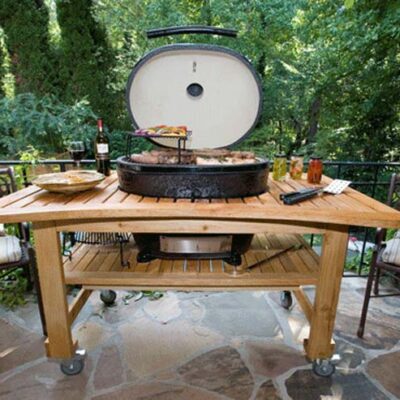
Charcoal grills deliver a depth of smoke flavor that gas simply can’t replicate. But they take time. Lighting the charcoal, waiting for it to reach temperature, and managing airflow to control heat all add up. If you enjoy the process and have a Saturday afternoon to spend, that’s a pleasure. If you’re trying to get dinner on the table after work on a Tuesday, it’s a frustration.
Pellet grills, which burn compressed wood pellets and use digital temperature controllers, offer a middle ground for slow cooking and smoking. They bring consistent, steady heat and genuine smoke flavor without requiring you to babysit the fire. The catch is that searing at very high heat isn’t their strongest suit, and they require electricity to operate.
None of these grill types is objectively better. The right grill fuel type is the one that fits how you actually cook, not how you imagine you’ll cook once you own a great grill. If you’re still weighing your options, our post on which type of grill to get, gas or charcoal breaks it down further.
Misjudging How Much Cooking Surface You Actually Need
Another area where buyers consistently misjudge is grill size. It’s one of the most misread specs in the buying process. People either buy too small and crowd the grates at every cookout, or buy an enormous unit for a household of two that uses it mostly for burgers.
Cooking surface area is measured in square inches, and it’s worth thinking about concretely. A 400-square-inch primary cooking surface serves roughly 4 to 6 people at once. If you regularly entertain larger groups in Noblesville or Avon, you need more. If you mostly grill on weeknights for a small family, a large grill just means more to clean and more gas consumed.
Also worth considering: does the grill you’re looking at have a secondary warming rack? Many do, and while that area doesn’t work well for direct heat cooking, it adds real flexibility for keeping food warm while you finish the rest.
Buying too large for the space is just as common a mistake as buying too small. A massive freestanding grill on a small patio leaves no room to move. Map your backyard layout before you go shopping. It sounds basic, but plenty of buyers don’t do it.
Ignoring Build Quality in Favor of Feature Count
This leads to one of the more avoidable traps in the buying process. More burners. Side burners. Built-in thermometers. Rotisserie attachments. Infrared rear burners. The list of grill features to look for has grown substantially, and it’s easy to get pulled toward a unit because it seems to do more.
But features only matter if the underlying construction is solid. A grill with six burners and a weak ignition system that fails in the second year isn’t impressive, it’s annoying. A side burner is useful if you actually use it for sauces and side dishes. If you don’t, it’s just something extra to clean.
What to focus on first: the ignition system should be reliable and easy to access. The lid should seal reasonably well and have a thermometer that reads accurately. Cast-iron or stainless-steel cooking grates hold heat far better than chrome wire and contribute directly to how well food sears. Even grill heat distribution matters more than most buyers realize. Hot spots and cold zones make consistent cooking harder, regardless of how many burners a unit has. That consistency comes from good burner placement and a quality lid design.
After considering construction quality, consider which features genuinely fit your cooking style.
Skipping the Fuel Source Conversation Entirely
A surprising number of buyers pick a gas grill without ever asking a key question: how will it be fueled? The answer shapes installation, cost, and convenience in ways that matter.
Propane tanks are portable and work anywhere, but they run out. Running out mid-cook without realizing it’s about to happen is a real scenario every experienced griller has faced at least once. You can track tank levels with a gauge, but it’s one more thing to manage.
A natural gas connection to a fixed grill eliminates that problem entirely. As long as your home has natural gas service, which much of Central Indiana does, a gas line run to a permanent grill location means endless fuel and one less errand. The installation cost is real, and the grill is no longer portable, but for homeowners who know where they want the grill to live permanently, it’s often worth it.
The gas line conversation is one that Godby’s team regularly walks customers through, especially those building or planning an outdoor kitchen setup. Getting it right from the start saves cost and headaches down the road.
Overlooking Long-Term Maintenance Needs
Grill maintenance needs are something most buyers underestimate until they’re scrubbing a neglected firebox two seasons in. Every outdoor grill requires upkeep. How much depends on the type and build quality, but no grill is entirely hands-off.
Grease management is a real consideration. Quality grills have designed systems for collecting grease, such as catch pans and drip trays, that make cleanup straightforward. Cheaper models let grease accumulate in ways that create both a fire risk and a cleaning headache.
Rust resistance matters in any climate. Indiana’s weather brings hot summers, cold winters, and plenty of moisture, which is genuinely tough on outdoor equipment. Stainless steel holds up well, but the grade of stainless matters. 304-grade stainless steel resists corrosion far better than 430-grade stainless steel. Cast aluminum is another excellent choice for rust resistance.
Periodic cleaning of grates, burner tubes, and the firebox interior is simply part of owning a backyard grill worth owning. A well-built grill makes that maintenance manageable. A poorly built one makes it feel pointless.
Not Asking the Right Questions Before You Buy
Most people buying an outdoor grill do most of their research online and arrive at a showroom (or, more often, a big-box store) with a model in mind and little flexibility. That’s understandable. But it can mean missing options that would fit better.
A few questions worth asking before committing:
What does my backyard layout actually allow? How many people do I typically cook for? Do I want to grill quickly on weeknights, slow-cook on weekends, or both? Is a natural gas connection practical for my home? Do I want this to eventually anchor a larger outdoor living space? What warranty does this grill carry, and are replacement parts readily available?
Choosing the right outdoor grill gets a lot easier when you answer those questions honestly before walking into a store. At Godby, we take time to go through exactly these things with customers, not to sell a more expensive grill, but to make sure the grill someone buys actually fits their life. Our outdoor grill buying guide is also a good place to start if you want to dig deeper before visiting a showroom.
Ready to Choose the Right Grill for Your Backyard?
Choosing the right outdoor grill doesn’t require hours of research and second-guessing. It requires honest answers to a handful of good questions and a knowledgeable team to help you work through the options.
Godby Hearth & Home has been Central Indiana’s trusted destination for grills, fireplaces, and outdoor living products for decades. Whether you’re in Indianapolis, Carmel, Zionsville, or anywhere in between, our showrooms carry gas and charcoal grills from quality brands, and our team is here to help you choose one that fits your cooking style, space, and budget.
Visit us at 7904 Rockville Rd, Indianapolis, or 200 S Rangeline Rd in Carmel. You can also request a quote online or give us a call at 317.271.8400.
FAQs
What should I know before buying an outdoor grill?
Before you buy, get clear on five things: how much cooking surface you actually need, which fuel type fits your routine, what build quality to look for, how much maintenance you’re willing to do, and which features you’ll genuinely use. Most buyers who end up disappointed skipped one of those early in the process. Spending fifteen minutes thinking through each one before you shop will save a lot of frustration down the road.
What should I look for when buying an outdoor grill?
The most important outdoor grill buying tip is to prioritize build quality over feature count. Cooking grate material, lid construction, and burner quality matter more than the number of extras. From there, consider cooking surface area based on how many people you typically feed, fuel type based on your cooking habits, and whether natural gas or propane better suits your setup. Grill durability and warranty coverage are also worth factoring in before you decide.
How do I choose the right fuel type for my outdoor grill?
Gas grills, whether propane or connected to a natural gas line, are the most convenient option for frequent, everyday use. Charcoal grills offer superior smoke flavor but require more time and attention. Pellet grills excel at low-and-slow cooking with consistent temperatures. The right grill fuel type depends on how you cook and how much time you want to invest in the process.
How much cooking surface area do I actually need?
For a household of 2 to 4 people, a primary cooking surface of around 400 square inches is usually enough. For regular entertaining or large family gatherings, 500 to 600 square inches or more gives you the flexibility to cook multiple items at once. Consider your backyard layout, too, since a large grill on a small patio can feel cramped quickly.
Is a natural gas grill better than propane?
Each has its place. Natural gas grills connect directly to your home’s gas line, so you never run out of fuel mid-cook and don’t have to manage tanks. They work best as permanent outdoor cooking setups. Propane grills are portable and work anywhere without a gas line. If you’re building a fixed outdoor kitchen and have natural gas service, a direct natural gas connection is often the more practical long-term choice.
Why do some outdoor grills disappoint even after just a season or two?
One of the most common mistakes when buying an outdoor grill is prioritizing price over construction. Budget grills often use thin steel bodies that warp, lightweight cooking grates that don’t retain heat, and low-quality burners that deteriorate quickly. Once those components fail, replacement parts are often unavailable for cheaper brands. Investing in a well-constructed grill with solid warranty coverage and available parts typically prevents those frustrations.
Do gas grills need a lot of maintenance?
Grill maintenance needs vary by build quality, but all grills benefit from regular cleaning. A well-designed gas grill makes it manageable. Keeping the grates clean, clearing out the grease trap, and occasionally checking burner tubes for blockages are the main tasks. Stainless steel construction and quality grease management systems make the process much less time-consuming than maintaining a poorly built unit.
Can I use an outdoor grill year-round in Indiana?
Absolutely, and plenty of Central Indiana homeowners do. A quality grill with rust-resistant materials handles temperature swings and moisture well. Keeping a fitted grill cover on it during periods when it’s not in use helps significantly extend the exterior’s life. Some propane grills also perform slightly better in colder temperatures than natural gas grills, since propane pressure doesn’t drop as noticeably in the cold.